Since late 2025, the Panama Canal has continuously monitored the El Niño scenario for the current year, which is why the water level at Gatún Lake has been maintained at historically high values. It is important to note that El Niño is part of the natural variability of the planet and may reoccur within a period ranging from two to seven years.
In light of the potential threat of an El Niño event in the second half of 2026, the Panama Canal began implementing water-saving measures at the locks in late 2025 and took advantage of the relatively dry season in 2026, which was among the wettest on record since 1950, to strengthen water reserves in Gatún and Alhajuela Lakes.
In practical terms, this means that the scenario is monitored with scientific rigor and operational prudence. The magnitude and severity of the phenomenon is assessed with greater precision at the start of the 2026 rainy season (May–June) which makes it possible to validate the climate models projected at the end of last year.
In the meantime, the Panama Canal updates lake-level projections every week, evaluating possible water-deficit scenarios for May and June 2026, while also maintaining 38 daily transits. Current data does not forecast the need for transit restrictions through December 31, 2026.
History indicates that the most pronounced impacts of moderate or strong El Niño events tend to be reflected more clearly in the subsequent year, as was the pattern in 1982–1983, 1997–1998, 2015–2016, and 2023–2024. Accordingly, operational projections for 2027 are already being developed.
Water: An Essential Resource
Water is an essential resource for life, for the well-being of communities, and for global trade.
In Panama, the strategic value of water is even greater, as both the operations of the Panama Canal and the water supply for more than 50% of the country’s population depend on this resource. This is why the Panama Canal plays a fundamental role as guarantor for responsible and sustainable management of water resources.
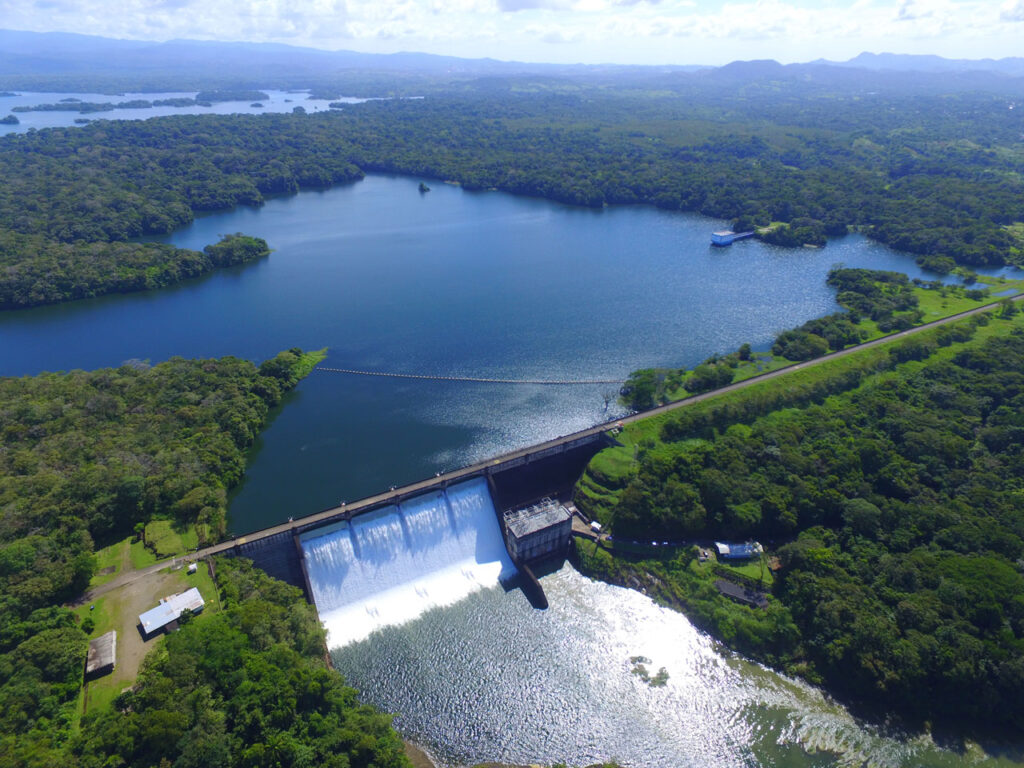
In the context of greater climate variability, protecting water requires anticipation, optimizing its use to meet all objectives simultaneously, and applying measures that ensure its availability, thereby reaffirming the canal’s commitment to efficient, safe, and sustainable operations.
In this regard, the canal maintains permanent oversight and prudent management of water, aimed at ensuring water security, operational efficiency, and the sustainability of the system.
Preventive Water-Saving Measures
The Panama Canal has activated preventive water-saving measures, drawing on the experience gained during previous droughts, which made it possible to consolidate effective operational practices for water resource management. These actions are intended to anticipate scenarios in times of reduced water availability and to optimize use of water in operations.
With the onset of the dry season and in response to the evolution of hydrological conditions, the following operational measures were activated during the last week of December 2025:
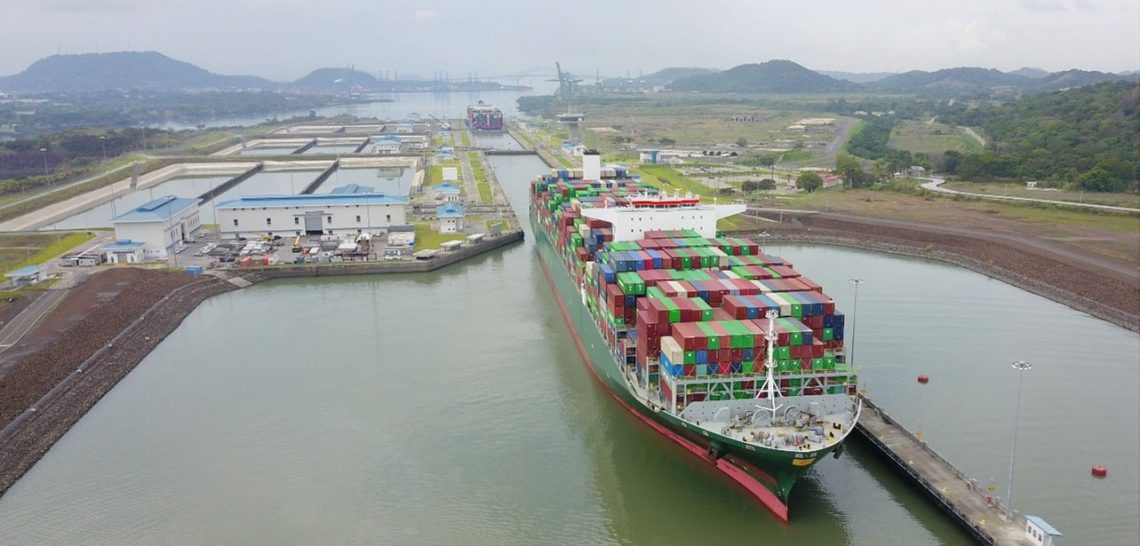
- Simultaneous lockages, a process that allows two small ships to transit through a single lock at the same time, whenever vessel dimensions allow, to reduce the total volume of water used.
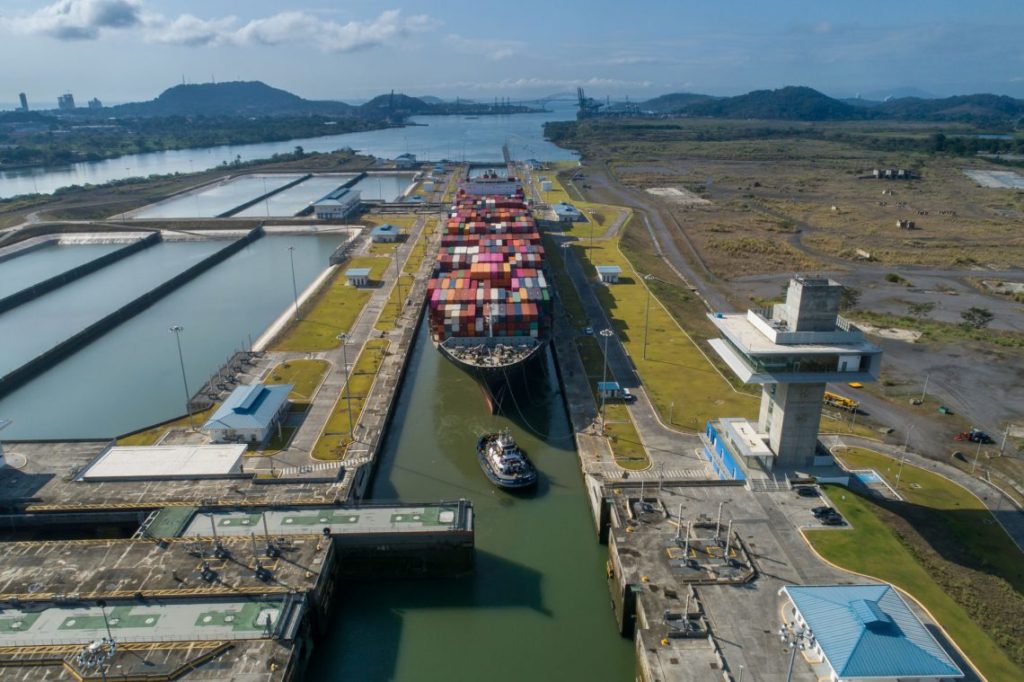
- Use of water-saving basins at the Neopanamax locks during vessel directional changes, saving one cubic hectometer of water daily.
- Use of interior gates which reduces the volume of water needed to fill the chambers, according to vessel length.
- Temporary suspension of hydroelectric generation at Gatún, prioritizes water storage for human consumption and canal operations.
A Commitment to Sustainability and the Future
While operational measures make it possible to optimize the use of available water and have proven effective in addressing periods of reduced water availability, the sustainability of the Panama Canal and the water supply for the population require long-term structural solutions. In this context, the Río Indio Project is a key component of the country’s water security strategy.
This project will expand the water storage capacity of the canal system, strengthen resilience in the face of more frequent and intense droughts and ensuring both reliable canal operations and the supply of water for human consumption. Río Indio responds to a comprehensive vision of water resource management which is designed to anticipate the effects of climate change and protect a vital resource for Panama and global trade.
This approach, based on data, experience, and forward planning, reaffirms the Panama Canal’s commitment to sustainability, operational resilience, and the responsible management of water as a strategic asset for the country and for the world.